
Misleading labels
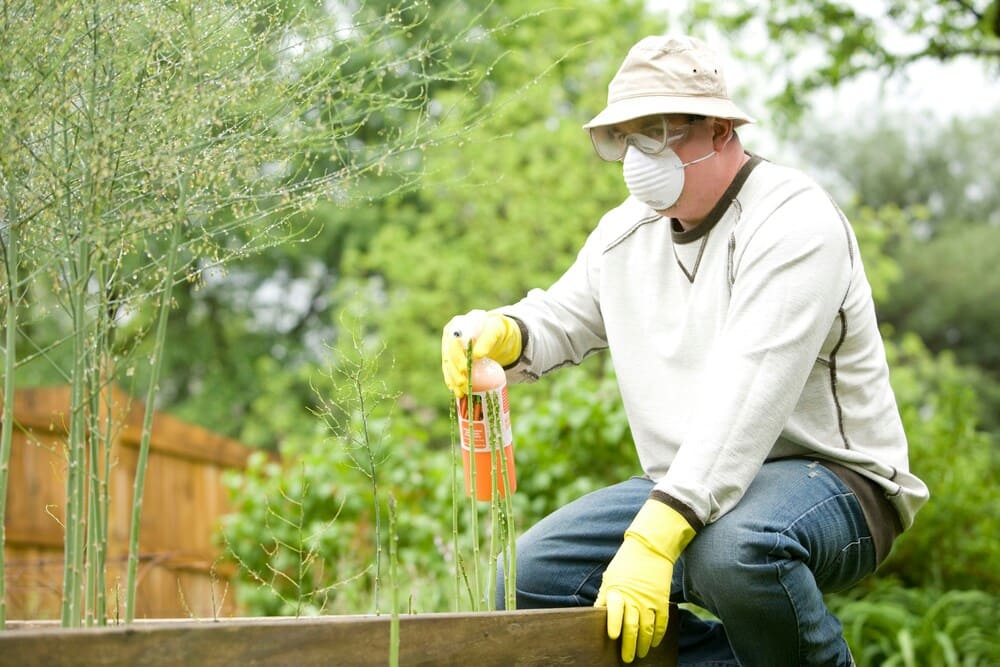
Not only plants can be toxic, fertilizers and pesticides can be too. Cats can poison themselves by eating and chewing on chemically treated plants, breathing in toxic substances, and licking their paws and fur that have come into contact with chemicals. If the packaging is labelled “organic” or “eco-friendly,” this does not mean that the product is completely safe. Biopesticides are simply less toxic than conventional pesticides.
Choose an organic fertilizer
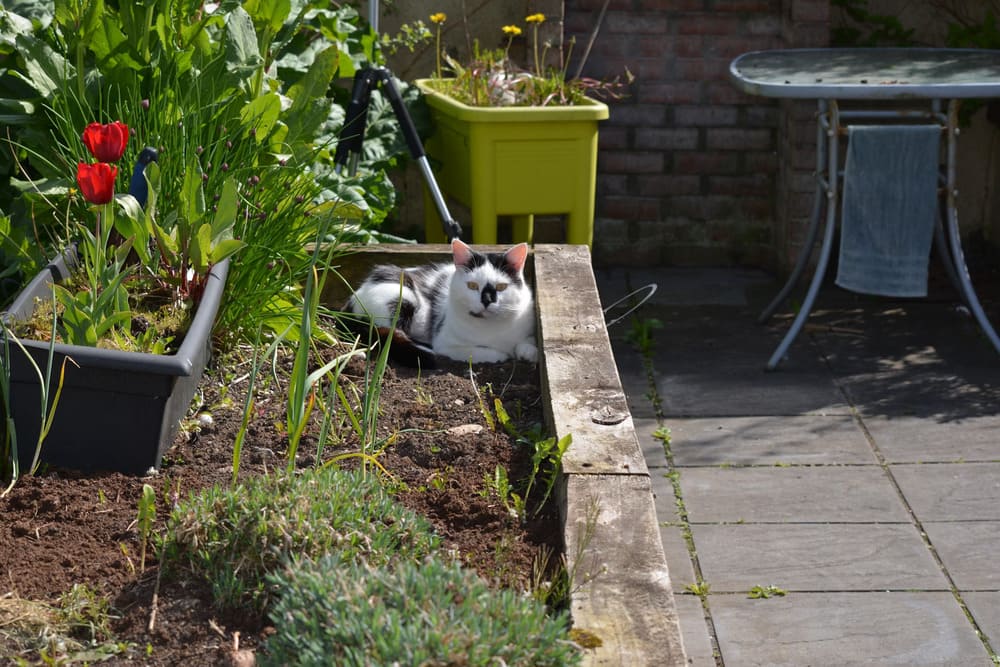
The best choice is a slow-release organic fertilizer in granular form. These provide a steady supply of nutrients to plants for 3 to 4 months. The granules should not be thrown on the surface of the soil, but mixed into the soil. Lawn fertilizer should be spread just before or during rainy days so that the fertilizer dissolves more quickly. Liquid fertilizers are a good choice for potted plants, but cat owners should remember to empty the saucers to prevent cats from drinking the fertilized water.
The best fertilzers
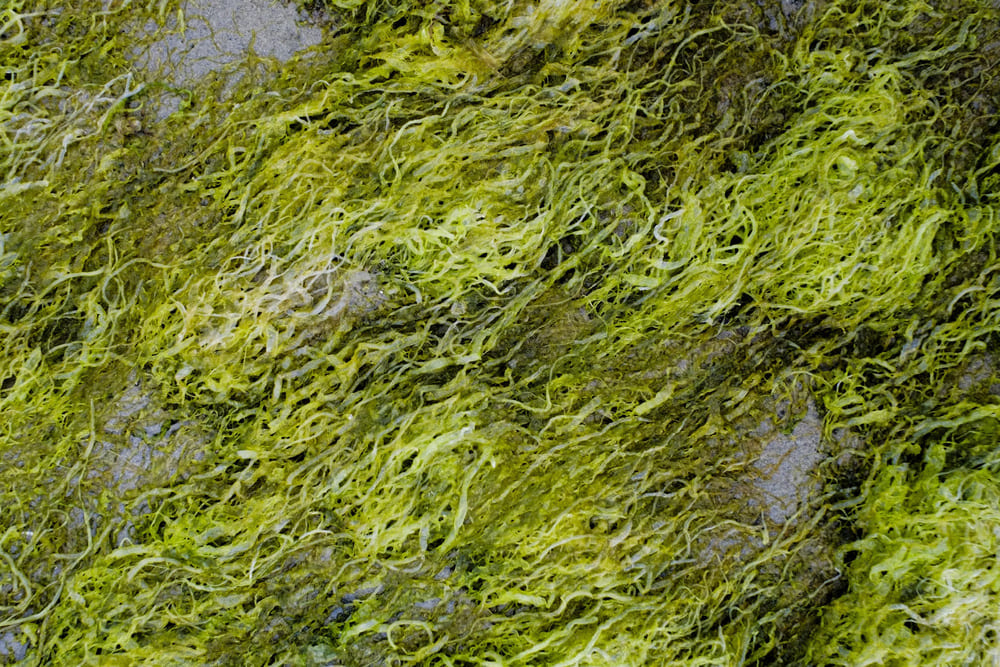
A good alternative or supplement to commercial organic fertilizers is lava (volcanic ash), which is a very powerful mineral fertilizer. Another safe option is insect manure (insect frass), which also makes crops less attractive to diseases and pests. And of course, don’t forget seaweed. Seaweed (in granule, powder, or liquid form) contains many essential nutrients as well as natural growth hormones.
Garlic against pests and diseases
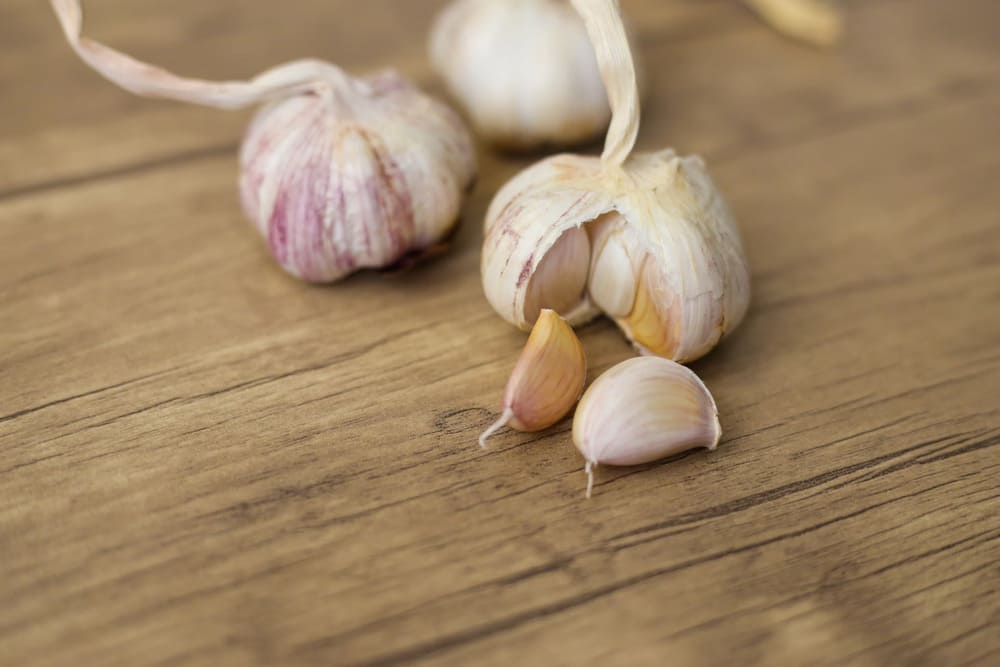
Unfortunately, there are very few products on the market that contain natural ingredients (herbs) and are considered safe for plants, animals, people, and the environment as a whole. All these products contain garlic and smell of garlic. Garlic itself is toxic to cats, but it is always used in very low concentrations and is therefore not considered harmful. The smell does not seem to bother cats. What’s more, the smell will disappear within a couple of days. An example of a garlic-based insecticide is Organifer.
Ants
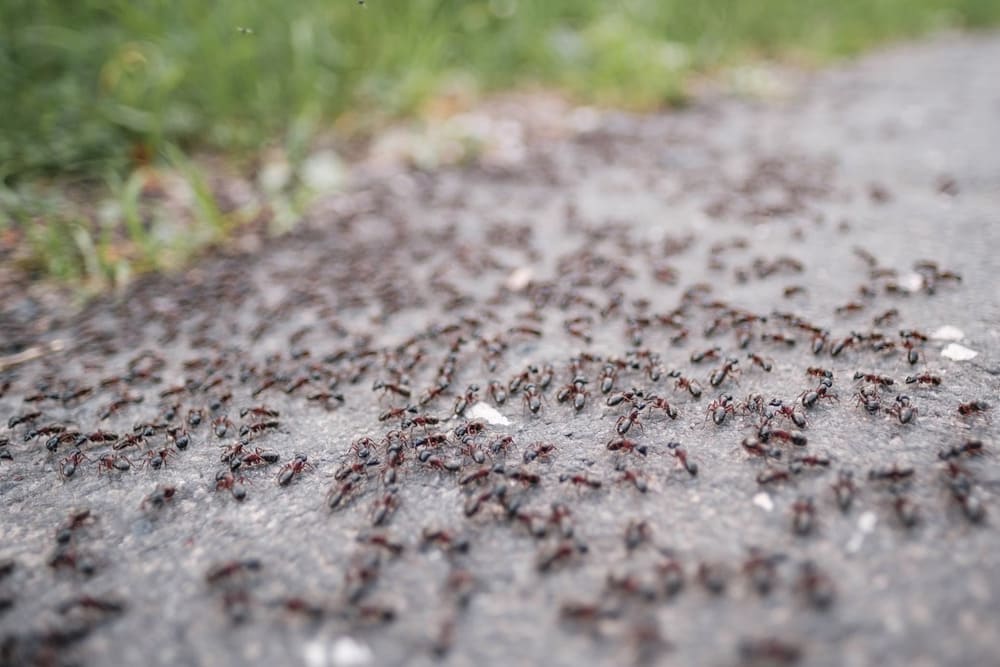
Ants do not harm plants themselves, but they breed aphids (small pests of various colors) that cause damage to plants.
Anti-ant powders that are supposed to be sprinkled around the house, on sidewalks, and on patios are toxic to cats. The safest option for cat owners are ant baits (small plastic boxes with holes in them that contain poison).
However, if there are too many ants, only a “chemical” anti-ant spray can help. It is important to choose a spray with a long extension tube that allows access to the small holes where ants can hide. It is best to find the ant nest and poison it in the evening, after locking the cats inside the house.
Slugs and snails
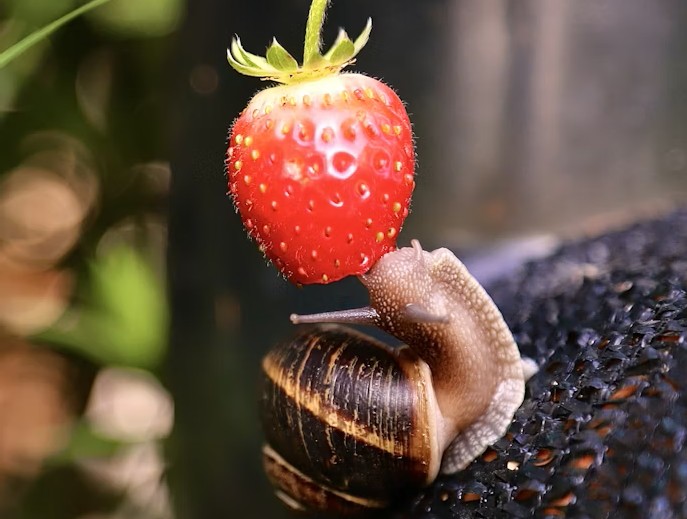
These unpleasant-looking creatures not only eat the berries and leaves of plants, they also carry and spread plant diseases. Commercially available slug remedies, such as granules and pellets, are toxic to cats. Fortunately, physical barriers such as copper tapes can help reduce the number of slugs. Garlic is also an effective slug deterrent. It is important to understand that slugs prefer moist environments. Therefore, it is not recommended to use mulch around plants, as it attracts too much moisture.